
Varna with Kids: The Black Sea Family Itinerary You Didn't Know You Needed
A practical family itinerary for Varna, Bulgaria
Why Varna Deserves a Place on Your Family Travel Radar
Varna doesn't get the press that Dubrovnik or Santorini does, which is — depending on how you feel about crowds — either a problem or the entire point.
Bulgaria's largest Black Sea city is a genuine summer destination: warm water, long sandy beaches, a well-kept seafront park, and a compact city center with enough history to justify dragging teenagers away from the pool for an afternoon. It's also considerably more affordable than most Western European beach destinations, which has a way of making everyone in the family feel more relaxed from day one.
The city has real infrastructure for families — beach clubs with shallow paddling areas, a dolphinarium, a good archaeological museum with genuinely impressive gold, and a Sea Garden that functions as the city's outdoor living room from June through September. It's not a theme park. It's a city that happens to be excellent in summer.
Before You Go: What Families Should Know
Best time to visit: June through early September is peak beach season. July and August are hottest and busiest — the beaches fill up, the restaurants extend their hours, and the Sea Garden comes fully alive with events and markets. Late June and early September offer the same warm weather with notably thinner crowds and lower prices.
Getting there: Varna Airport (VAR) has direct connections from many European cities, particularly in summer. The airport is compact and manageable — a relief if you're traveling with children and luggage. From the airport, taxis and rideshares reach the city center in around 20 minutes.
Getting around: Varna's main attractions are walkable or reachable by short taxi rides. The Sea Garden stretches along the coast and connects the beaches to the city center on foot. For beach resorts outside the city (Golden Sands, Albena), buses and taxis are reliable and inexpensive.
Language and money: Bulgarian is the official language; English is widely spoken in tourist areas. Bulgaria uses the Bulgarian lev (BGN), not the euro — bring or exchange local currency, as smaller beach vendors often don't take cards.
Accommodation: The city center and the Sea Garden area are the best bases for families who want beach access plus city sightseeing. The northern resort strips (Golden Sands, Riviera) are more resort-focused but further from cultural attractions — good if your priority is pure beach time.
Practical note: Bulgarian summers are genuinely hot. Pack sun protection, start beach days early, and build in midday rest time — especially with younger children.
Day 1: The Sea Garden, the Beach, and Getting Oriented
Morning: Sea Garden (Морска Градина)
Start here. Varna's Sea Garden is one of the largest and best-maintained seaside parks in the Balkans — over 8 kilometers of tree-lined paths running along the coast, connecting the beaches, the dolphinarium, an open-air theatre, cafés, playgrounds, and the Naval Museum. It was designed in the early 20th century and has been the social heart of Varna's summer ever since.
Walk south from the central entrance toward the beach. Children can run freely; the paths are wide and shaded. There are multiple playgrounds throughout the park, and the general atmosphere on a summer morning is relaxed and local.
Late morning: City Beach (Градски плаж)
Varna's main city beach sits at the foot of the Sea Garden. It's a long, wide sandy beach with calm, shallow water — genuinely suitable for young children. Umbrellas and sunbeds are available for rent; the water quality in Varna's main beach zone is generally good and monitored.
Get in the water before midday. After noon in July and August, the beach gets very crowded and the sun is at its most aggressive.
Afternoon: Rest and the dolphinarium
The Varna Dolphinarium, located within the Sea Garden, is one of the oldest in Europe. Shows run in the afternoon season — check the current schedule on arrival. For children under about 10, this tends to be a highlight of the trip. Older children and teenagers may have mixed feelings depending on their views on animal shows; worth considering before you go.
Evening: Dinner in the Sea Garden or Cathedral Square
The park's restaurants and cafés are good for a relaxed family dinner as the temperature drops. Alternatively, the area around the Cathedral of the Assumption — about a 10-minute walk inland — has pedestrian squares and restaurants with a lively early-evening atmosphere.
Day 2: Ancient Gold and the Old Quarter
Morning: Varna Archaeological Museum
This is the cultural anchor of any Varna visit, and it earns its reputation. The museum houses the Varna Gold — a collection of gold artifacts dating to around 4,500 BC, making it the oldest processed gold jewelry ever found. The scale of it is genuinely striking: these objects are older than the Egyptian pyramids, found in a burial site just outside the city.
For families, this works best with some preparation. Brief children on what they're about to see before entering — context makes the gold meaningful rather than just shiny. The museum is not huge, and a focused 60–90 minute visit covers the highlights without exhausting anyone.
Late morning: Roman Thermae
A short walk from the museum, Varna's Roman Thermae are among the largest preserved Roman baths in Bulgaria — dating to the 2nd and 3rd centuries AD. The ruins are partially roofed and partially open-air; children tend to like the scale of the walls and the ability to walk through the spaces. It's an easy, low-pressure site that takes about 30–45 minutes.
Afternoon: Cathedral of the Assumption and the city center
The Cathedral of the Assumption of the Virgin (1886) is Varna's most prominent landmark — a large, gold-domed Orthodox church that anchors the city center. The interior is richly decorated and worth a brief visit; dress modestly and note that photography rules vary.
The pedestrian streets around the cathedral are good for a slow afternoon walk: ice cream, people-watching, and the kind of unhurried browsing that works well with children who've used up their museum energy for the day.
Evening: Waterfront restaurants
Head back toward the seafront for dinner. The restaurants along the northern end of the Sea Garden and the port area offer fresh Black Sea fish alongside standard Bulgarian and international menus. Grilled fish, shopska salad, and banitsa are the local staples worth trying — children generally take well to the grilled meats and bread-heavy Bulgarian table.
Day 3: Golden Sands and a Beach Day with No Agenda
Golden Sands (Zlatni Pyasatsi)
About 18 kilometers north of Varna, Golden Sands is Bulgaria's largest and most developed beach resort. The beach itself is excellent — wide, long, fine golden sand (the name is earned), and calm, warm water. It's more commercialized than the city beach, with a full strip of hotels, beach bars, water sports, and resort amenities.
For families, this is the right choice for a pure beach day: there are water slides, pedal boats, banana boats, and the kind of low-stakes beach entertainment that keeps everyone occupied for six hours. The resort infrastructure means food, toilets, and shade are all readily accessible.
Getting there from Varna is straightforward — buses run regularly in summer, or a taxi is inexpensive by Western European standards.
What to manage: Golden Sands in peak July and August is genuinely crowded. Arrive by 9am to secure a good spot. Midday is intense — this is the time for a long lunch in the shade, not more sun.
Albena (optional alternative): About 30 kilometers from Varna, Albena is a purpose-built resort with a slightly calmer, more family-oriented feel than Golden Sands. The beach is arguably the better of the two — wider, less developed directly on the shoreline. Worth considering if your children are young and you want a quieter day.
Optional Excursions Worth Considering
Varna's position on the coast and its proximity to the Balkan interior make it a reasonable base for short excursions.
Aladzha Monastery: A medieval rock monastery carved into a limestone cliff about 14 kilometers from Varna, near Golden Sands. The caves and frescoes (partially preserved) make it an unusual and memorable stop — the kind of place children will remember specifically because it's carved into a cliff. Easy half-day trip.
Cape Kaliakra: A dramatic rocky headland extending 2 kilometers into the Black Sea, about 60 kilometers north of Varna. The views are striking, there are ruins of a medieval fortress, and the drive along the coast is worthwhile in itself. Best for families with older children who can manage uneven terrain near cliff edges.
Balchik and the Botanical Garden: The town of Balchik, about 40 kilometers north, is notable for the Palace of the Romanian Queen Marie and its associated botanical garden — one of the largest in Bulgaria. The garden is genuinely beautiful and walkable; children with energy to burn can cover a lot of ground here. The seaside town itself has a relaxed charm quite different from the resort strip.
Pobiti Kamani (The Stone Desert): About 20 kilometers west of Varna, this is a strange and photogenic geological phenomenon — columns of stone rising from sandy ground, looking like something between a desert and a sci-fi set. Not a long stop, but memorable and different from everything else on the list.
The Honest Tradeoffs: What Varna Is and Isn't
Varna is an excellent family beach destination — but it helps to calibrate expectations correctly.
It's a real city, not a resort bubble. The city center has traffic, noise, and the general texture of an Eastern European port city. This is also what makes it interesting. If you want a hermetically sealed resort experience, the hotels at Golden Sands or Albena deliver that; the city itself does not.
The resort strips can feel generic. Golden Sands, for all its beach quality, has the international resort aesthetic — chain restaurants, souvenir shops, Irish pubs. The city of Varna is more authentic, but requires more navigation.
August is very busy. The Black Sea coast is a major domestic and regional summer destination — Bulgarian families, Romanian visitors, and increasing numbers of Western European tourists all converge in August. Prices rise and patience is required. Late June or early September are meaningfully better for families who have schedule flexibility.
The value proposition is real. Compared to the Adriatic, the Aegean, or the Spanish costas, Varna and the Bulgarian Black Sea coast offer comparable beach quality at significantly lower cost. Accommodation, food, and activities are all priced well by Western European standards — a material advantage when traveling with a family.
For families, the combination works. Beach days, a world-class archaeological collection, a Roman ruin, a medieval cliff monastery, and a dolphin show within 30 kilometers of each other is a solid week's worth of material. Varna doesn't need to be oversold. It just needs to be found.
“Varna has the gold, the sea, and the stuffed peppers. Honestly, that's most of what a family needs.”
Quick-Reference: Varna Family Itinerary at a Glance
Day 1
Morning: Sea Garden walk + city beach
Afternoon: Dolphinarium
Evening: Seafront dinner
Day 2
Morning: Archaeological Museum + Roman Thermae
Afternoon: Cathedral + city center
Evening: Waterfront fish dinner
Day 3
Morning: Golden Sands beach
Afternoon: Water sports / rest
Best for younger children (under 8): City beach, Sea Garden playgrounds, Dolphinarium, Golden Sands Best for older children and teenagers: Varna Gold at the Archaeological Museum, Aladzha Monastery, Cape Kaliakra, Roman Thermae Best rainy-day options: Archaeological Museum, Naval Museum (Sea Garden), indoor shopping center near the city center Must-try food: Shopska salad, banitsa (cheese pastry), fresh grilled Black Sea fish, tarator (cold cucumber soup — surprisingly good in the heat) Pre-booking required: Dolphinarium shows book up in peak season — check schedules on arrival or book ahead online if possible. Most other attractions are walk-up.
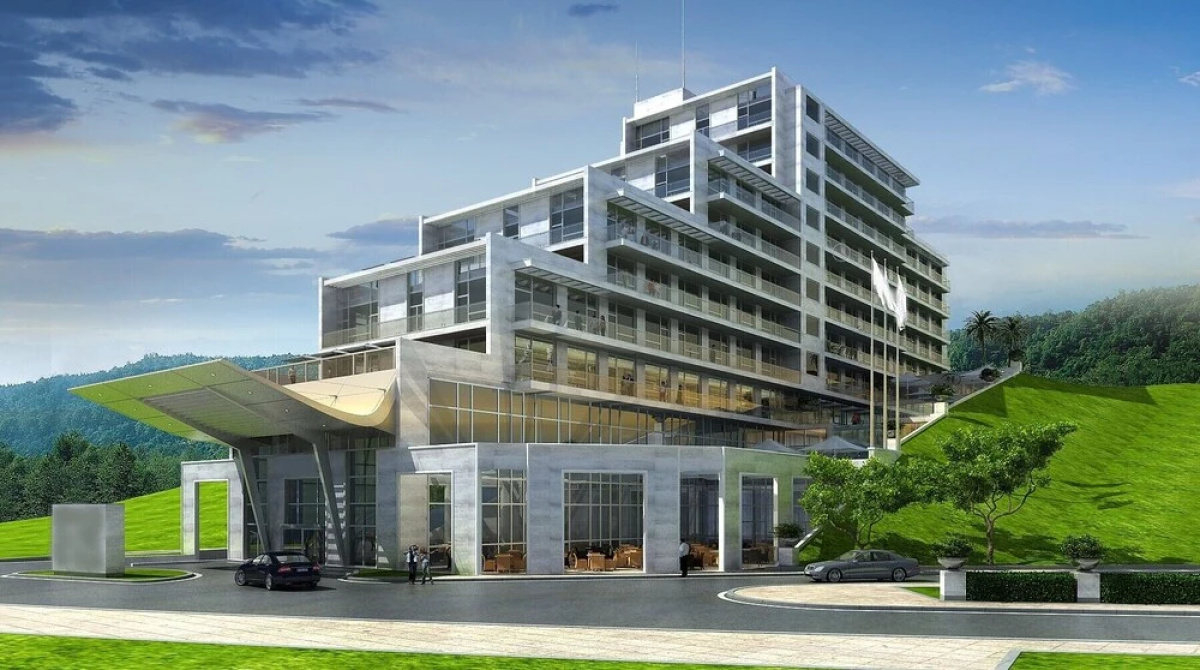
Poseidon Beach Resort
Golden Sands, Varna

Varna Exquisite Wine Tasting
Taste an unforgettable selection of Bulgarian wines with appetizers. We have sorted the best of the best so that you can say "Yes, I tasted true Bulgarian wine". Come and try this absolute favorite experience in Varna.

Plan your Varna, Bulgaria trip in a conversation.
Tell our AI your budget, dates, and what you want to do. It builds a full itinerary with live hotel prices — in minutes.


